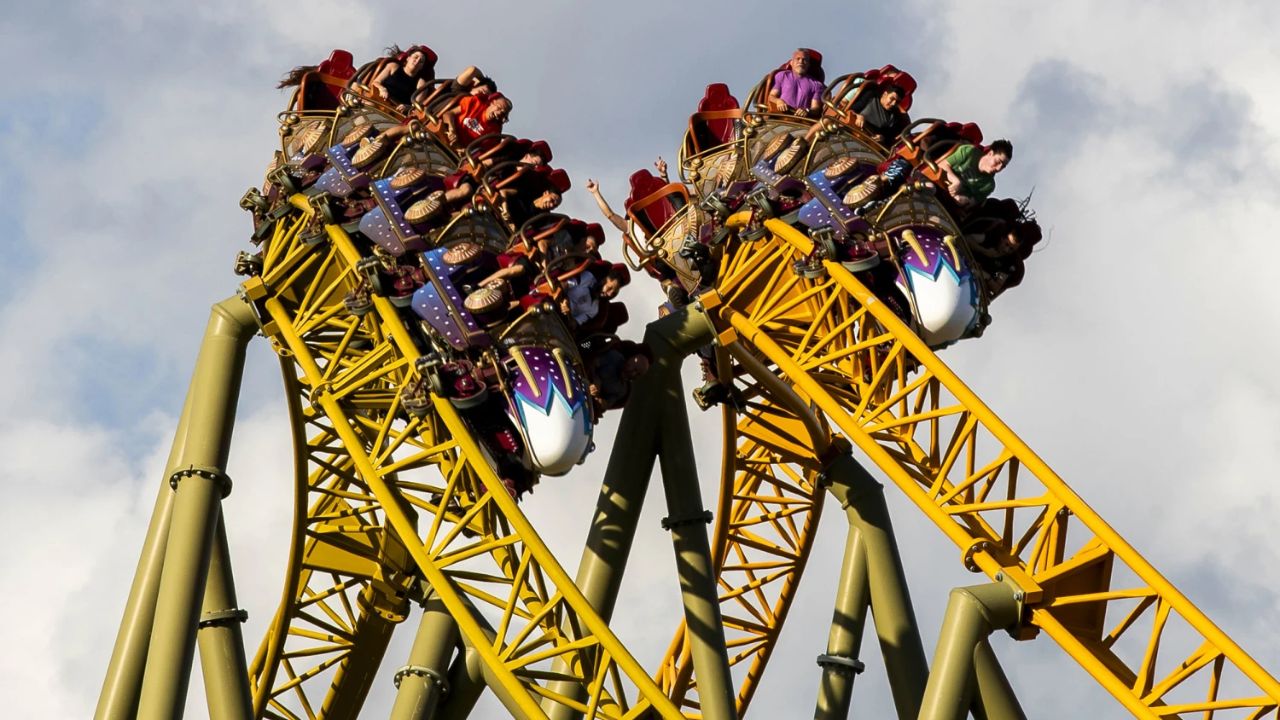
Orlando, FL — A newly released report from the Orange County Medical Examiner has provided new details about the injuries that led to the death of a rider on Universal Orlando Resort’s Epic Universe roller coaster, Stardust Racers, nearly three months ago.
Medical Examiner Details Cause of Death
According to the autopsy report released Friday, Kevin Rodriguez Zavala’s death was ruled an accident caused by multiple blunt impact injuries. The medical examiner found that Rodriguez Zavala suffered “more than a dozen blunt force injuries”, including eight injuries to the head and neck, bruising to the torso, and multiple injuries to his extremities, including a fractured femur.
Officials confirmed that the injuries were consistent with repeated impacts during the ride.
Sheriff’s Office Finds No Employee Negligence
The medical examiner’s report was released just one day after the Orange County Sheriff’s Office concluded its investigation, determining that no Universal Orlando Resort employees were negligent in Rodriguez Zavala’s death.
According to the Sheriff’s Office investigative report, Rodriguez Zavala’s girlfriend told investigators that he “hit his head multiple times on a metal bar on the ride.” She also stated that it took several attempts for Universal employees to properly secure him into the restraint.
Investigators wrote that “when the ride began the first downhill… Kevin flew forward striking his head.” However, the report does not explain how Rodriguez Zavala was able to move far enough within the restraint system to suffer repeated head impacts.
Disability and Family Response
Rodriguez Zavala’s family confirmed that Kevin had spinal cord atrophy and frequently used a wheelchair for mobility. Despite this, family attorney Ben Crump has repeatedly stated that Kevin’s disability “had nothing to do with his death.”
Just 17 days after the incident, Stardust Racers reopened to the public following internal reviews.
Universal Confirms Ride Systems Functioned Properly
Universal Orlando Resort’s president told employees at the time that the company conducted a technical and operational review of the ride and hired a third-party engineer, who ultimately determined that “the ride systems functioned properly.”
However, Universal did update the ride’s safety guidelines following the incident. While previous warnings already stated riders must be able to stay upright and support their neck and torso, updated signage now specifies that those with weakened bones or muscles should not ride, and wheelchair users must be able to walk independently to their seat.
Experts Weigh In on Ride Safety and Testing
Hospitality professor and expert witness Gary Deel of FC Consulting explained that amusement rides undergo extensive safety testing before opening. He noted that “3-D models are often created during the design phase” and that test dummies fitted with sensors are commonly used to evaluate safety risks.
Amusement ride expert Ken Martin added that warning signs are often shaped by testing results, stating, “They all have an obligation to provide adequate warning… You’ve got to meet requirements.”
Disability Advocates Raise Concerns
Matt Dietz, Clinical Director of the Disability Inclusion and Advocacy Law Clinic at Nova Southeastern University, expressed concern about the broader implications of the case. He questioned whether other theme parks might adopt similar restrictions, asking, “Are other rides going to take on the same restrictions as this ride does?”
Dietz warned that such policies could negatively impact accessibility, adding that “theme parks should do testing with folks with disabilities” to ensure safety without unnecessary exclusion.
Conclusion
The death of Kevin Rodriguez Zavala has sparked renewed scrutiny of ride safety standards, restraint systems, and accessibility policies at major theme parks. While investigators found no negligence and confirmed the ride functioned as designed, the updated restrictions and ongoing public debate highlight complex questions surrounding safety, liability, and disability inclusion.
Do you think theme parks should change ride restrictions after incidents like this, or invest more in inclusive safety testing? Share your thoughts in the comments below.