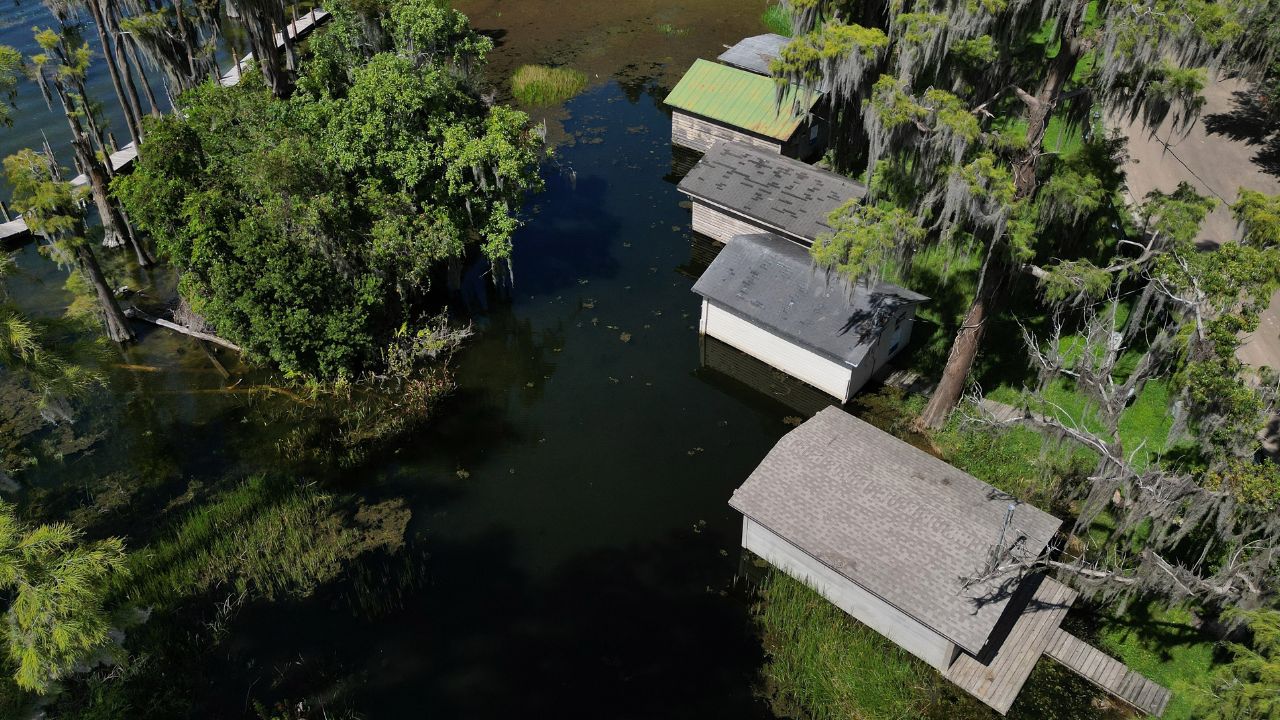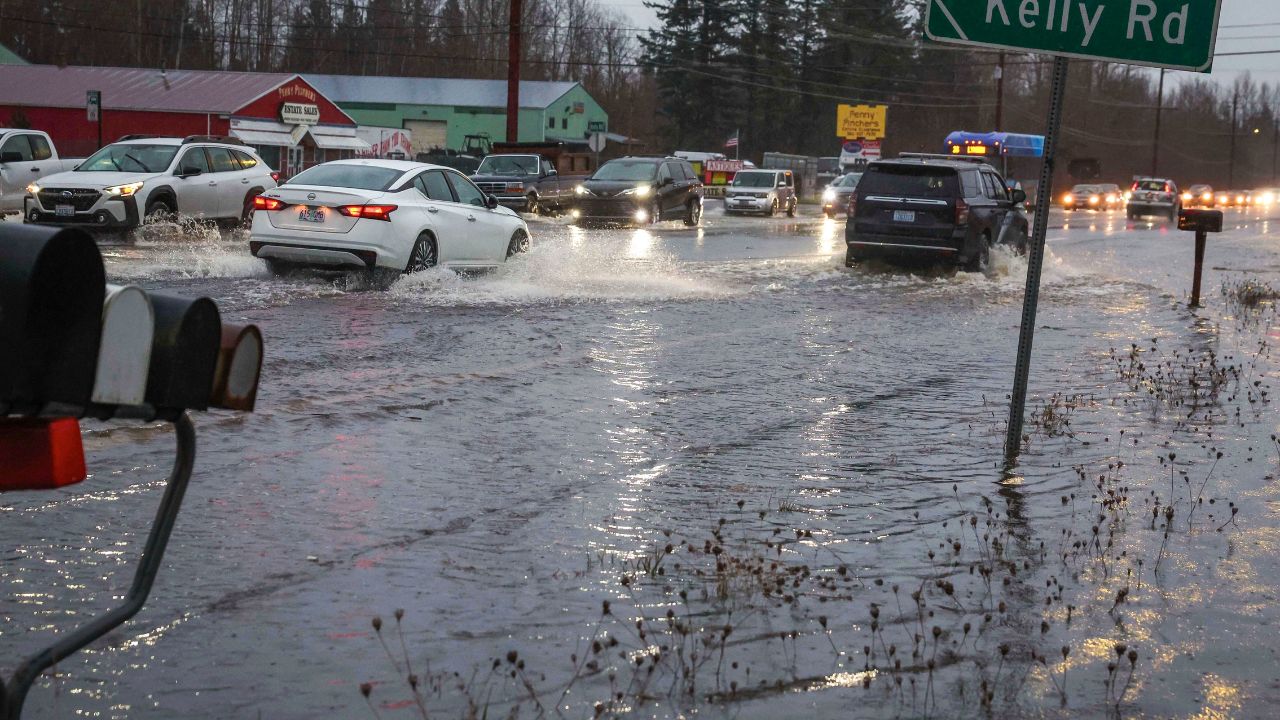
Mount Vernon, Wash. – A powerful atmospheric river has unleashed widespread and potentially historic flooding across Washington state, prompting evacuation orders, emergency rescues, and the deployment of the National Guard as officials warn residents to remain vigilant amid rapidly changing conditions.
Governor Bob Ferguson declared a state of emergency as torrential rainfall pushed rivers beyond their banks, submerged entire neighborhoods, and shut down major transportation routes across both Western and Central Washington. Thousands of residents in flood-prone areas have been urged to move to higher ground as emergency crews respond to life-threatening situations.
“The flooding levels we are looking at are potentially historic in nature,” Gov. Ferguson said during a press conference Thursday, emphasizing the seriousness of the unfolding disaster.
Atmospheric River Drives Extreme Rainfall
The flooding stems from a prolonged atmospheric river event that has drenched large portions of the state for several consecutive days. According to rainfall reports collected from Sunday through Thursday morning, some locations have recorded more than 20 inches of rain, overwhelming rivers, creeks, and drainage systems.
An atmospheric river is a narrow corridor of concentrated moisture in the atmosphere that transports massive amounts of water vapor from the tropics. When these systems stall over mountainous terrain like the Cascades, they can produce extreme and long-lasting rainfall, significantly increasing the risk of flooding.
“This situation is extremely unpredictable,” Gov. Ferguson said, noting that conditions can deteriorate quickly with little warning.
Rivers Crest at Major and Record Levels
Several rivers across Washington have reached major flood stage, spilling over levees, inundating roads, and encroaching into residential areas. The Snohomish River crested at a record-breaking 34 feet on Thursday, according to the National Weather Service, marking one of the highest water levels ever observed at that location.
In Skagit County, officials warned that the Skagit River at Mount Vernon was forecast to surpass its previous record of 37.5 feet, with projections indicating a crest near 39.5 feet Thursday night. As a result, all residents living within the 100-year flood plain were urged to evacuate immediately.
Local emergency management teams opened multiple shelters to accommodate displaced families, while authorities continued to monitor levees and river gauges around the clock.
Widespread Evacuations and Road Closures
The scale of flooding has affected multiple regions across the state. Robert Ezelle, director of the Washington Military Department’s Emergency Management Division, said major flooding has been reported in Skagit, Pierce, Lewis, Whatcom, and Yakima counties, underscoring the statewide impact of the storm.
“It’s really pretty much across both sides of the Cascades and up and down Western Washington,” Ezelle said.
As of Thursday afternoon, Gov. Ferguson confirmed that more than 30 major roadways had been closed due to flooding, landslides, or washouts. Officials cautioned that there is no definitive timeline for reopening many of these routes, as water levels remain high and additional rainfall is possible.
Residents were advised to avoid travel unless absolutely necessary and to never attempt to drive through flooded roadways.
National Guard and First Responders Mobilized
To support overwhelmed local agencies, the Washington National Guard has been placed on standby and deployed to assist with rescue and recovery operations. Ezelle confirmed that 300 National Guard service members are staged in Skagit County alone, ready to help with evacuations, logistics, and emergency response.
First responders have already conducted dozens of high-risk rescues. In Snohomish County, regional fire crews reported a surge in emergency calls related to rising waters.
On Wednesday night alone, Snohomish Regional Fire and Rescue responded to 17 swift water rescue calls, along with multiple service and welfare checks. Crews successfully rescued 24 people, as well as four cats and two dogs, from flood-trapped homes and vehicles.
“These rescues highlight just how dangerous floodwaters can become in a matter of minutes,” officials said.
No Confirmed Fatalities, But Danger Remains
Despite the severity of the flooding, Gov. Ferguson said there have been no confirmed fatalities as of Thursday. However, emergency officials stressed that the risk remains high as rivers continue to crest and saturated ground raises the threat of additional flooding and landslides.
Authorities continue to urge residents to follow evacuation orders, monitor official alerts, and prepare emergency kits in case conditions worsen.
Looking Ahead
With more rain possible and rivers slow to recede, Washington officials are preparing for a prolonged response effort. Damage assessments, infrastructure inspections, and recovery planning are expected to continue well beyond the end of the storm.
State and local agencies emphasized that public cooperation is critical during this period, urging residents to stay informed through official channels and to prioritize safety above all else.
Residents affected by flooding or evacuations are encouraged to share their experiences and updates in the comments below.