McAllen, Texas — A migrant shelter in South Texas affiliated with the Catholic Diocese of Brownsville has been barred from receiving federal funding for six years after the Department of Homeland Security determined it misused grant funds tied to migrant assistance programs.
DHS Bars McAllen Migrant Shelter From Federal Funding
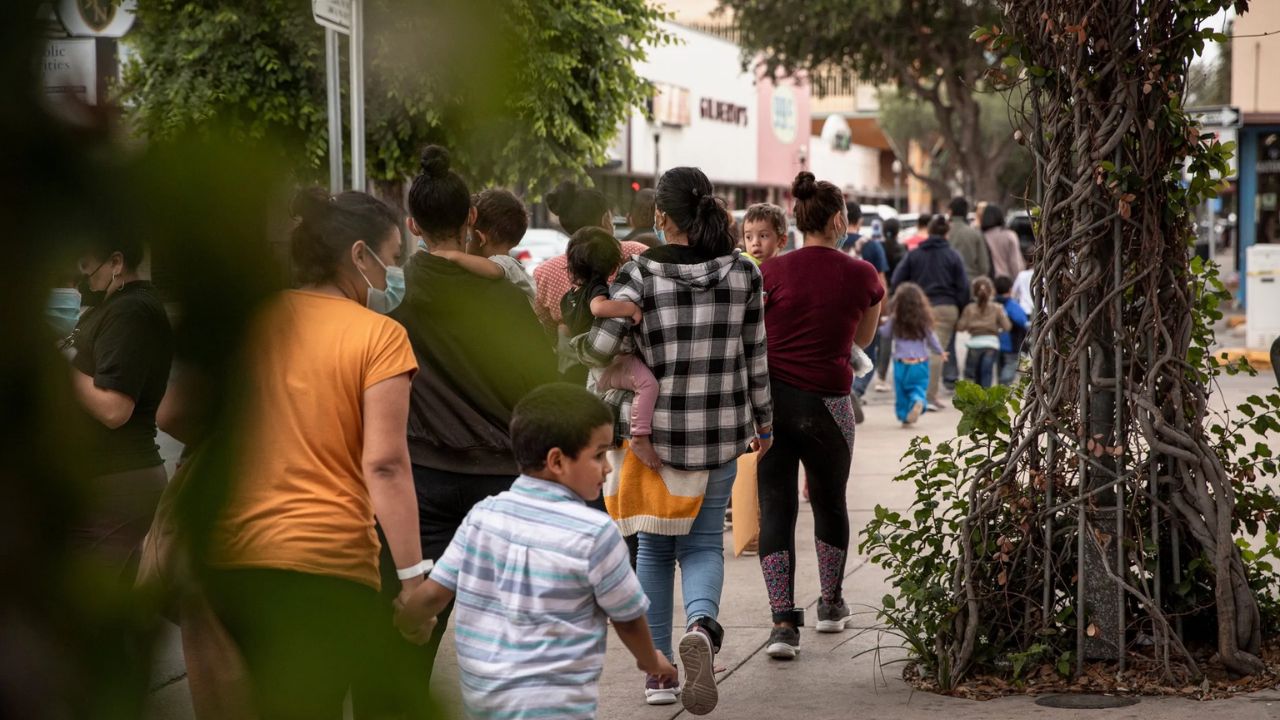
Catholic Charities of the Rio Grande Valley, which operates a well-known migrant respite center in McAllen, was formally debarred following a FEMA investigation conducted on behalf of DHS. Federal records indicate the shelter violated grant conditions related to how and when funds were spent on migrants released by U.S. Customs and Border Protection.
The six-year debarment is notable because it is “twice the typical punishment” applied in similar cases, according to reporting that first surfaced through Fox News and was later confirmed by the Texas Tribune.
FEMA Investigation Details
According to FEMA findings, investigators identified “248 instances” where federal funds were used outside the permitted 45-day window allowed for providing care to migrants after their release from CBP custody.
Federal grant rules restrict spending to a specific timeframe after migrants are transferred from federal authorities. FEMA concluded that Catholic Charities of the Rio Grande Valley failed to adhere to these limits across hundreds of cases.
As a result, DHS moved forward with a funding freeze and long-term debarment, which became effective late last month.
Why the Penalty Is Unusual
While nonprofit organizations found in violation of federal grant rules often face suspensions or shorter debarments, DHS applied a six-year penalty in this case. Reports note that “the standard punishment is typically three years,” making the outcome especially severe.
The shelter’s high profile has drawn national attention. Catholic Charities of the Rio Grande Valley has been a key provider of humanitarian assistance to migrants arriving at the southern border for several years.
Nonprofit Pushes Back on Allegations
The organization is led by Sister Norma Pimentel, a nationally recognized figure in migrant advocacy. She has previously been named one of Time magazine’s “100 Most Influential People” and received honors from the Congressional Hispanic Caucus Institute.
In a statement responding to the allegations, Pimentel defended the shelter’s work, saying, “Those on the front lines of our humanitarian outreach know the work we do truly helps restore human dignity.” She added, “I take very seriously every single dollar entrusted to us.”
Catholic Charities of the Rio Grande Valley stated that “all DHS funding was used to care for migrants sent to us by CBP” and asserted that the organization remains fully compliant with federal grant requirements.
Faith-Based Response and Silence Since Freeze
In its most recent public response dated November 28, the nonprofit emphasized its mission and cited scripture, writing:
“For I was hungry and you gave me food, I was thirsty and you gave me drink, a stranger and you welcomed me.”
Since the funding freeze took effect, the organization has not issued any additional statements addressing the debarment or future operations.
Conclusion
The six-year debarment of Catholic Charities of the Rio Grande Valley marks a significant enforcement action by DHS and raises broader questions about oversight, grant compliance, and the role of faith-based organizations in migrant assistance. While federal investigators maintain funds were misused, the nonprofit insists its actions were driven by humanitarian necessity and compliance with its mission.
What do you think about DHS’s decision to impose a six-year debarment in this case? Should humanitarian organizations be given more flexibility during migrant surges? Share your thoughts in the comments below.