Facing hurricane season and unsure where to start? Your hurricane preparedness checklist comes down to supplies for at least 72 hours, a plan to leave, and a secured home. Work through each in order.
This guide is part of our severe weather safety coverage, which collects practical advice for dangerous conditions.
| Item | Value |
|---|---|
| Food and water supply | At least 72 hours for everyone in the house |
| Prescription medicine | Two-week supply, labeled, in a sealable bag |
| Replacing stored food | Every six months |
| Hand sanitizer strength | At least 60% alcohol |
| Flood coverage activation | Can take 30 days |
The figures come from the Town of Melbourne Beach preparedness list and a SageSure hurricane checklist. Guidance can change, so check the source before you rely on these figures.
Start before hurricane season
The best time to build your kit is when no storm is on the map. The Town of Melbourne Beach list warns that emergency items sell out quickly at the stores, so it advises stocking up before hurricane season even starts.
A home checklist from Americares splits the work into ongoing jobs and last-minute jobs. The ongoing jobs are the ones you can do on a calm weekend:
- Keep gutters clean and clear of debris.
- Inspect the roof regularly for damage.
- Install and maintain smoke and carbon monoxide detectors, plus fire extinguishers.
- Clear trees and large vegetation that may fall onto or blow into the house.
- Keep access to the gas shut-off, the water shut-off and the electricity panel.
- Store flashlights and batteries throughout the house and test them regularly.
If you rent, the same checklist says to check with the landlord or owner before taking steps. That matters most for roof work, shutters and anything attached to the building.
What belongs in your supply kit
Think of the kit as two parts: a to-go bag you can grab in a hurry, and a larger stock that stays at home. The Melbourne Beach list describes the bag as an overnight bag with a change of clothes, bottled water, a flashlight and important documents.
For the rest of the household supplies, that same list suggests the following:
- Cash, because ATMs and credit card machines may not work for a while after the storm.
- A battery-operated or hand-crank radio, with extra batteries.
- Several flashlights and lanterns, plus candles and matches as backup light.
- Toilet paper, tissues, soap and other hygiene items.
- An extra set of keys, in case people get separated or keys are lost.
- Food, medicine and water for your pets.
- Disinfectant, because you cannot know what mess a storm will leave.
Do not skip first aid. The list includes antiseptic solution, gauze, bandages, adhesive tape, allergy medicine and mosquito repellent, since heavy rain or flooding can bring a serious mosquito problem. It also names hand sanitizer with at least 60% alcohol, while noting that soap and water still beat it. Details are in the Melbourne Beach preparedness list.
Printing basic first aid instructions is another useful idea from that list. You may not think clearly under stress, and paper still works when the power is out.
How much food, water and medicine do you need?
Plan for 72 hours at a minimum. The Melbourne Beach list says food and water should last everyone in the house for at least that long.
The same list says to replace stored goods every six months if you keep a kit stocked all year. That keeps food fresh and safe, and it gives you a regular reminder to check the rest of the kit.
Food choices
The list points to canned meat, fish, fruit, soups, milk and vegetables as easy options. It also suggests foods with more calories and nutrition per serving, so you keep your energy up.
Some ideas for variety, bought right before the storm:
- Cookies, raisins and dry cereal.
- Pepperoni and cheese that does not need refrigeration.
- Baby formula and baby food, if you have an infant.
If you own basic camping gear such as a small grill, you can make simple meals while the power is out. Use it outdoors only.
Water and medicine
After a storm you may have to boil water for a few days at least, according to the Melbourne Beach list. Flooded wells, spilled sewage and other contamination are the reasons it gives. If a hit looks likely, it also suggests filling a sanitized bathtub for an extra supply of water.
For medicine, the list advises a two-week supply of prescriptions in a sealable, clearly labeled plastic bag. Include instructions for taking each one.
Protect your home before landfall
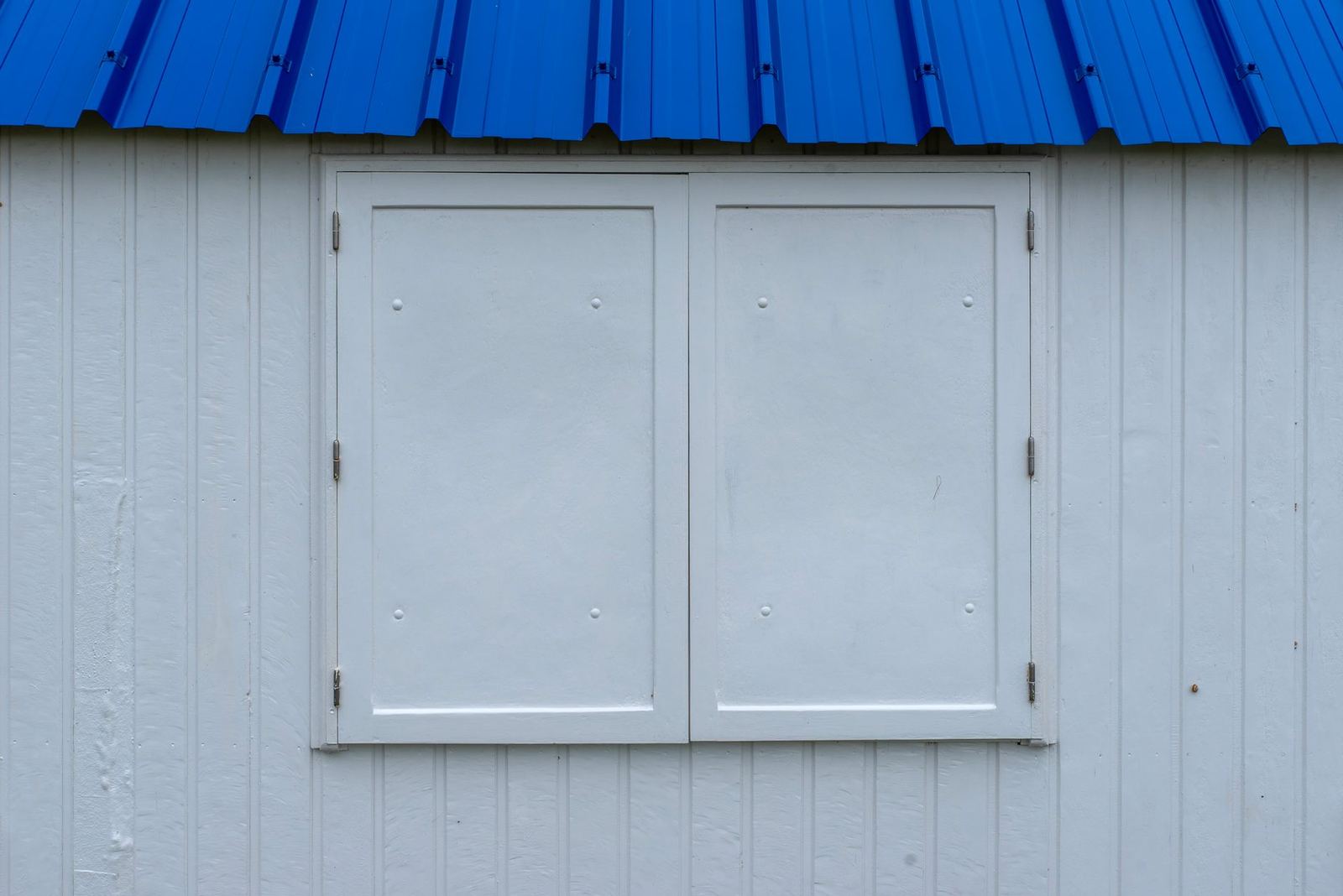
Once a storm is projected to reach you, the work shifts to the house itself. The Melbourne Beach list calls nailing plywood over windows still the best option for protecting the inside of your house. Storm shutters over glass doors, windows and skylights are another route.
These steps appear across the three checklists, and an order like this keeps things manageable:
- Board up windows with plywood or shutters.
- Place sandbags outside doors and ground-level windows if you live in a low area.
- Bring patio furniture, toys, bicycles and garden supplies indoors, and secure large items such as boats and trailers.
- Prune trees and shrubs, since loose limbs and plants fly around easily in high winds.
- Lock all windows and doors.
- Have tarps and rope ready so repairs can begin quickly.
- Fill your vehicle gas tank and charge any portable electronics you need.
Mobile homes need extra attention. The Melbourne Beach list says pre-1994 construction mobile homes probably are not anchored well enough to stand even Category 1 hurricanes, so ask a qualified person to check yours well ahead of time.
Gas, water and electricity
The two lists differ slightly on shutting off utilities. The Americares checklist says to turn off gas, water and electric at the main valves, while the Melbourne Beach list says to shut off power, propane gas and water before evacuating but to leave natural gas on unless authorities tell you otherwise.
The Melbourne Beach list adds that only a licensed professional can turn natural gas back on. Because the advice differs, follow instructions from your local authorities and utility.
Plan for power cuts, alerts and evacuation
Outages are common after a hurricane, and some of the biggest risks come from the fixes people reach for. The Melbourne Beach list warns that gas grills and generators carry a carbon monoxide risk, so use them outside.
It also gives these power-outage rules:
- Do not connect a generator to your home’s main power fuse.
- Stay away from downed power lines and let trained workers clean up.
- Keep the phone numbers of your energy providers handy so you can report an outage.
- Drink plenty of water when it is hot and the air conditioning is off.
Staying informed matters just as much. If you have not yet set up warnings, our guide on how to sign up for emergency alerts is a good place to begin.
A battery-operated or hand-crank radio keeps working when your phone does not. If your area also faces a tornado threat, our tornado safety tips cover that danger separately.
If you need to leave
Americares tells households to listen to weather updates and obey all local evacuation orders. It also suggests establishing a family communication plan and identifying the closest emergency shelters, then preparing supplies to take with you.
The SageSure checklist adds a short leaving routine: unplug all appliances, close interior room doors, and lock all windows and doors. It also reminds readers to plan for pets and to remember people who need extra help, such as seniors and people with disabilities.
Insurance and paperwork
Paperwork is easy to forget until you are standing in a hurry by the door. The SageSure checklist, published May 28, 2025, advises you to read your homeowners policy and understand your coverages, and to contact your agent with questions.
Here is what it suggests gathering:
- An inventory of your personal property.
- Access to your policy documents, either online or in a folder with your policy declaration page.
- An understanding of how to file a claim.
- A waterproof utility case for valuable documents and personal items.
- Important phone numbers saved in your phone, with a water-safe backup.
Flood protection deserves its own check. The same checklist notes that a flood endorsement can take 30 days to become active, so waiting until a storm is on the way may be too late.
Frequently asked questions
How long should my emergency supplies last?
Show answer
The Melbourne Beach list says to have enough food and water for everyone in the house for at least 72 hours. It also says to replace stored goods every six months.
Why keep cash on hand?
Show answer
According to the Melbourne Beach list, ATMs and credit card machines may not work for a while after the storm. A small amount of cash lets you buy essentials in the meantime.
Should I turn off natural gas before I evacuate?
Show answer
The Melbourne Beach list says to leave natural gas on unless authorities tell you to shut it off, and that a licensed professional must turn it back on. A different checklist from Americares says to turn off gas at the main valve, so follow the instructions from your local authorities and utility.
Can I add flood coverage when a storm is already forecast?
Show answer
Probably not in time. The SageSure checklist notes that a flood endorsement can take 30 days to become active, so ask your insurer well before hurricane season.