Worried a winter storm could leave you without power? Winter storm preparedness comes down to staying warm, keeping water and food on hand, and running generators outdoors only.
This guide is part of our coverage of severe weather safety, with more on storms, floods and other hazards.
| Item | Value |
|---|---|
| Drinking water per person | At least 1 gallon per day |
| Go-Kit (grab-and-go supplies) | At least 3 days of supplies |
| Stay-at-Home Kit | At least 2 weeks of supplies |
| Hypothermia emergency threshold | Body temperature below 95 degrees |
| Food in a fully loaded freezer, door closed | 36 to 48 hours |
These figures come from Montana Disaster and Emergency Services and the Edison Electric Institute. Guidance can change, so check the source before you rely on them.
How winter storm alerts work
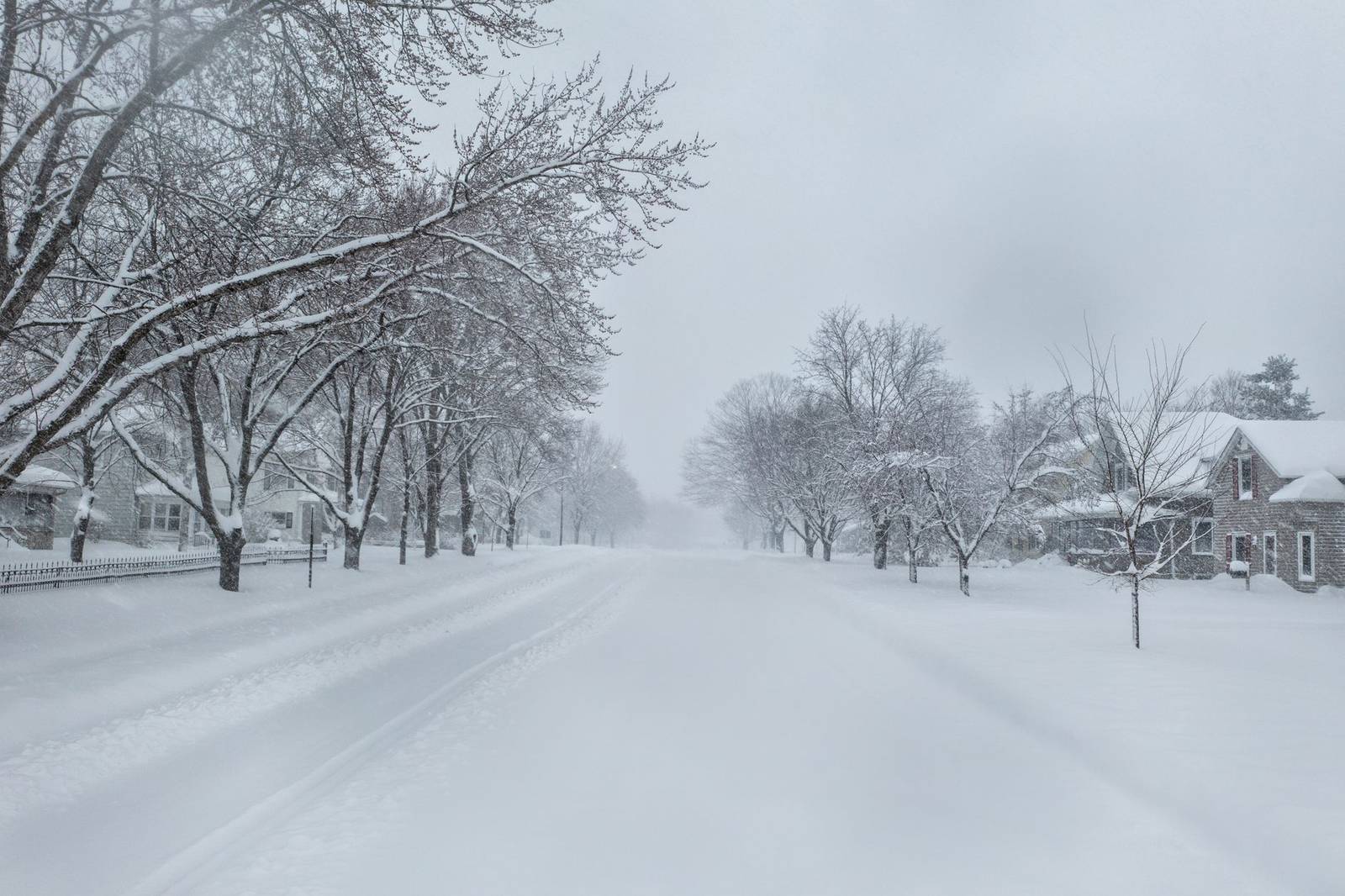
Winter storms can bring extreme cold, freezing rain, snow, ice and high winds, according to Montana Disaster and Emergency Services. They can last a few hours or several days. They can also knock out heat, power and communication services, so the forecast is your earliest warning.
The wording of an alert tells you how much time you have. UConn Extension describes the main levels this way:
- Advisory: strong weather is expected and might cause inconvenience.
- Watch: severe and hazardous weather is possible within one to three days.
- Warning: a significant winter weather event is under way or expected, and travel will be difficult or impossible.
Montana’s emergency office boils it down further: a watch means be prepared, and a warning means take action. Treat a watch as your cue to shop, charge devices and fill the car, as outlined by the Montana state guidance.
Make sure the alert actually reaches you. Sign up for free emergency alerts from your local government, and keep a battery-powered radio for an outage. The UConn fact sheet adds that the National Weather Service provides all-hazards alerts through NOAA Weather Radio.
Winter weather can also bring flooding, as the same UConn fact sheet notes, so our guide to flash flood safety is worth reading if your street tends to flood. If you are curious how other severe hazards are measured, our explainer on the enhanced fujita scale covers tornado ratings.
What to stock before the storm
Stores may be closed and travel may be unsafe, so gather food, water and medicine early. Montana Disaster and Emergency Services suggests splitting supplies into two kits and setting minimums for each.
- Go-Kit: at least three days of supplies you can carry if you must go somewhere warmer, including backup batteries and chargers for devices such as a phone, CPAP or wheelchair.
- Stay-at-Home Kit: at least two weeks of supplies, plus enough hats, mittens and blankets for everyone in the household.
- Water: at least one gallon of drinking water per person per day.
- Medications: a 1-month supply of needed medications and medical supplies, ideally with a card listing doses.
A county emergency management page lists what to put on the shelf for a long stay indoors. Pick foods that need no cooking, in case the stove is off.
- Nonperishable food, including items that do not need cooking
- Water and extra blankets
- Medications, infant formula and personal hygiene items
- Warm clothing
- Flashlights with extra batteries
- A first aid kit
- Charged communication devices and an external charger
- A portable AM/FM/weather radio with extra batteries
Paper still works when phones do not. A county winter storm checklist suggests printing essential information, such as the phone numbers of family members, close friends and doctors.
Do not forget the car. The same county page recommends keeping these items in your vehicle in case you get caught out:
- Blankets, gloves or mittens, a warm hat and boots
- A first aid kit and a cell phone charger
- Jumper cables and a tie rope
- Water and snacks
- A snow brush or shovel
- Kitty litter or sand for traction
- A flashlight and a spare tire
Fuel matters too. Montana’s guidance says to keep your gas tank at least 1/2 full, or charge an electric vehicle fully, before heading out during winter storms.
How do you keep your home warm and your pipes intact?
Start before the cold arrives. Montana’s emergency office recommends insulation, caulking and weather stripping to keep out the cold. If your home heating fuel is delivered, schedule a delivery ahead of the storm so the tank is not low.
Once the power fails, shrink the space you are heating. The county guidance suggests these steps:
- Close off unneeded rooms to avoid wasting heat.
- Stuff towels or rags in cracks under doors.
- Close blinds or curtains to keep in some heat.
- Eat and drink, because food gives the body energy to produce its own heat.
- Wear layers of loose-fitting, lightweight clothing, and remove a layer if you start to sweat.
Frozen pipes are the next risk. Per Montana Disaster and Emergency Services, you should leave water taps slightly open so they drip continuously, keep the house warm, and open cabinet doors under sinks so heated air reaches the pipes. The Edison Electric Institute says to open faucets slightly once the indoor temperature drops to 55°F or below.
If a pipe does freeze, never use a torch. Thaw it slowly with warm air from an electric hair dryer, per the Montana guidance. UConn Extension also advises you to learn how to shut off water valves in case a pipe bursts.
Running low on water? As a last resort, snow can be melted. Montana’s page says a rolling boil for one minute kills most germs but will not remove chemicals sometimes found in snow, so bottled water or a neighbor’s supply is better.
Generators, heaters and the carbon monoxide risk
Carbon monoxide is a quiet danger during outages. Montana Disaster and Emergency Services lists carbon monoxide poisoning among winter storm risks and says to use generators and grills only outdoors and away from windows. It also says never to heat your home with a gas stovetop or oven.
For generators, the City of Dayton advises a generator be used outside the home and at least 20 feet away from any windows or other openings. Follow these rules:
- Never run a generator in an attached garage, even with the door open, per the county emergency page.
- Turn it off and let it cool before refueling, and never refuel while it is running.
- Keep it out of wet areas to avoid shock or electrocution.
- Use grounded, heavy-duty extension cords to connect appliances.
- Plug appliances directly into the generator rather than wiring it to your home’s circuits, as the Edison Electric Institute advises.
Space heaters and fireplaces carry their own risks. The Dayton safety tips say to keep at least 3 feet around space heaters, choose models with an automatic shut off if tipped, and have a carbon monoxide alarm. It also recommends at least one alarm on each level of the home.
Clear snow and debris from furnace, stove, fireplace and gas dryer vents, and use flashlights instead of candles. The same Dayton page says never to use candles for emergency lighting.
Staying safe through the outage
Keep the refrigerator and freezer closed. The Edison Electric Institute says food stays frozen for 36 to 48 hours in a fully loaded freezer with the door shut, and a half-full freezer generally holds for 24 hours. It also says to report your outage to your electric company yourself rather than rely on neighbors.
Watch your body as closely as your food. Montana’s guidance describes two cold-related conditions to spot early:
- Frostbite: loss of feeling and color around the face, fingers and toes. Move to a warm room and warm the area with body heat or warm water. Do not massage it or use a heating pad.
- Hypothermia: shivering, exhaustion, confusion, fumbling hands, memory loss, slurred speech or drowsiness. A temperature below 95 degrees is an emergency.
Do not ignore shivering, which Montana’s page calls an important first sign that your body is losing heat. Stay dry, because wet clothing chills the body quickly.
Take care shoveling. The same Montana source says to avoid overexertion when shoveling or walking in snow to reduce the risk of a heart attack. It also notes that older adults and young children are more at risk in extreme cold, so check on neighbors who may struggle.
Stay off the roads if at all possible. If you become trapped in your car, stay inside it, as Montana Disaster and Emergency Services advises.
Frequently asked questions
How much water should I store for a winter storm?
Show answer
Montana Disaster and Emergency Services says to set aside at least one gallon of drinking water per person per day, since you may lose access to water. See the Montana page for the full kit guidance.
How long will food last in a freezer without power?
Show answer
The Edison Electric Institute says food stays frozen for 36 to 48 hours in a fully loaded freezer if you keep the door closed. A half-full freezer generally holds for 24 hours, per its winter storm tips.
Can I run a generator in my garage?
Show answer
No. A county emergency management page says never to use a generator in an attached garage, even with the door open. The City of Dayton adds that generators belong outside, at least 20 feet from windows or other openings.
When is a low body temperature an emergency?
Show answer
Montana Disaster and Emergency Services says a temperature below 95 degrees is an emergency. Warm the center of the body first and keep the person dry and wrapped in blankets, per its winter storms page.
What is the difference between a winter storm watch and a warning?
Show answer
UConn Extension says a watch is issued when severe weather is possible within one to three days. A warning is issued for a significant winter weather event, and travel will be difficult or impossible, per its fact sheet.