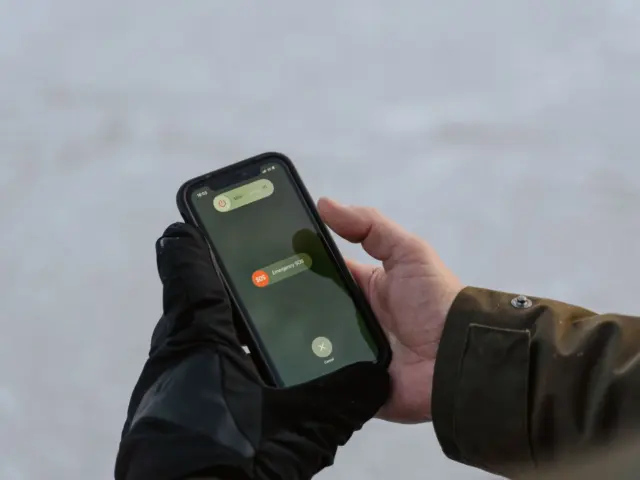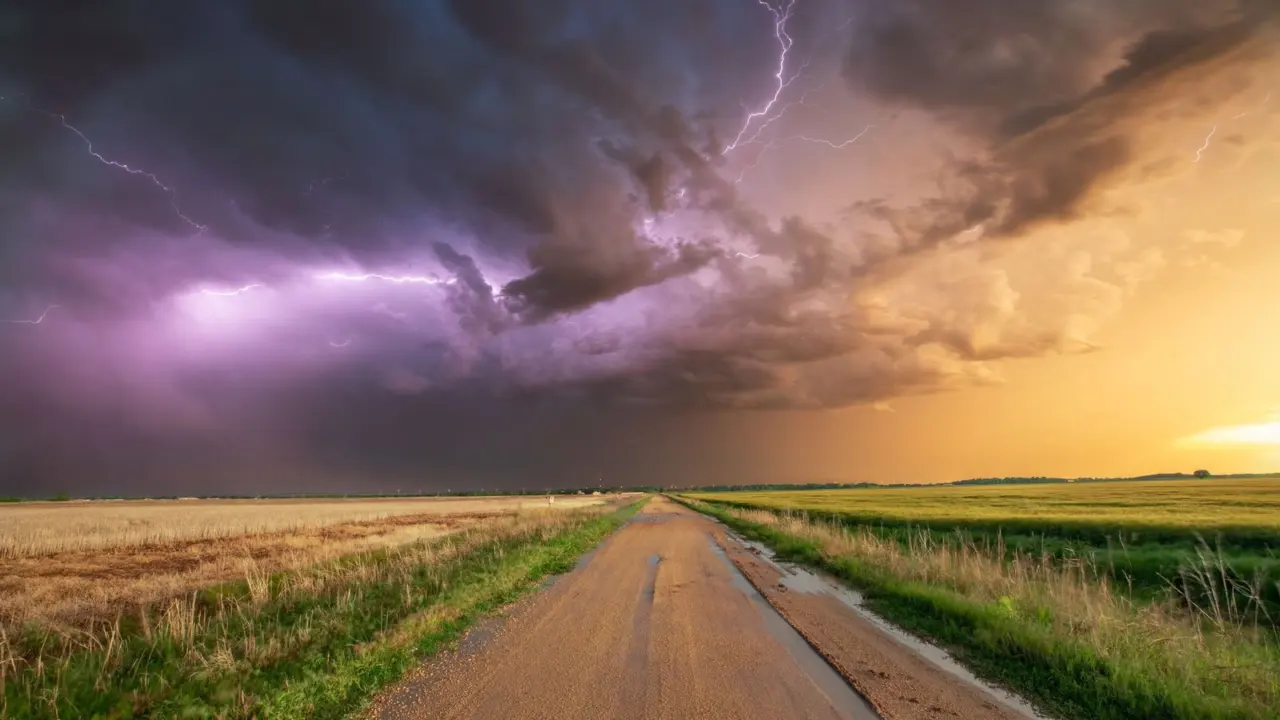
A tornado warning just hit your phone and you have no time to think. These tornado safety tips come down to a simple move: get to a basement, safe room or interior room away from windows, and cover your head.
This page is part of our guide to severe weather safety, and it covers what to do at home, at work and on the road.
| Item | Value |
|---|---|
| Tornado wind speeds | Over 200 miles per hour |
| Tornadoes reported each year across the U.S. | Over 1,000 |
| Standard for a purpose-built storm shelter | ICC 500 |
| U.S. regions with a greater tornado risk | The Midwest and the Southeast |
These figures come from Ready.gov and the Minnesota Department of Health. Figures can change, so check the source before you rely on them.
Tornado watch or tornado warning: know which one you are in
A tornado watch means tornadoes are possible in and near the watch area, according to a National Weather Service brochure from its Tampa Bay office. The Storm Prediction Center issues watches, and the area is typically large, covering numerous counties or even states. Use a watch to review your plan and check your supplies.
A tornado warning means a tornado has been spotted on the ground or identified by a forecaster on radar. Local NWS offices issue warnings, and the area is typically around the size of a city or small county. Treat it as imminent danger and move at once.
Warnings can rest on what a forecaster sees on radar, so learning how to read a weather radar map helps you understand what an alert is based on. Radar is not a substitute for official alerts, though. Keep listening to local news or a NOAA Weather Radio.
You may also see the storm itself before an alert reaches you. Ready.gov lists these signs of a tornado:
- A rotating, funnel-shaped cloud
- An approaching cloud of debris
- A loud roar like a freight train
At home: where to go when a warning sounds
If you are in a warning area, go to your basement, safe room or an interior room away from windows. The National Weather Service adds that you should not forget pets if time allows. Source: NWS tornado safety page.
If you have no basement or safe room, Ready.gov names the next best protection as a small, interior, windowless room on the lowest level of a sturdy building. Stay away from windows, doors and outside walls.
Once you are in place, follow these steps:
- Use your arms to protect your head and neck.
- Put furniture and blankets around or on top of you if you can.
- Keep listening to the Emergency Alert System, a NOAA Weather Radio or local alerts for updates.
- Stay put until the warning ends.
Flying debris is a major danger, so covering your head matters as much as picking the right room.
At work or school: follow the drill
At a workplace or school, the National Weather Service says to follow your tornado drill and go to your tornado shelter location quickly and calmly. Stay away from windows. Source: NWS.
The same guidance warns against large open rooms such as cafeterias, gymnasiums and auditoriums. Those spaces are often the first places people head to, so it helps to know your building’s shelter location before a warning, not during one.
Here is a short checklist to carry into any building you use often:
- Find out where the designated shelter area is.
- Note which routes lead there without crossing large open rooms.
- Ask whoever runs the building how they will alert people.
Outside or in a vehicle: your options are limited
If you are outside and a tornado is approaching, seek shelter inside a sturdy building immediately. Sheds and storage facilities are not safe, and neither is a mobile home or tent, according to the National Weather Service. If no building is reachable, the Minnesota Department of Health says to get down in a low lying area such as a ditch or ravine and cover your head.
A vehicle is not a safe place either. The National Weather Service says the best course of action is to drive to the closest shelter. If you cannot reach one, get down in your car and cover your head, or leave the car and shelter in a ditch or ravine.
Ready.gov is blunt about it: there is no safe option in a car, just slightly less dangerous ones. If the tornado is visible, far away and traffic is light, you may be able to drive out of its path by moving at right angles to it.
If extreme winds or flying debris catch you, park as quickly and safely as possible, out of the traffic lanes. Stay in the car with the seat belt on and put your head down below the windows. Cover your head with your hands and a blanket, coat or other cushion if you can.
If you can safely get noticeably lower than the roadway, Ready.gov says to leave the car and lie in that area, covering your head with your hands. Do not shelter under a bridge. Bridges can create deadly traffic hazards while offering little protection against flying debris.
Before a tornado: build a plan while the sky is calm
Most of your safety is decided before a warning. Ready.gov says tornadoes can bring intense winds, over 200 miles per hour, and can happen anytime and anywhere. A practiced plan saves time you will not have later. Source: Ready.gov.
Work through this list:
- Know how you get warnings. Sign up for your community’s warning system, and learn the siren tone if your area has sirens. The Emergency Alert System and NOAA Weather Radio also provide alerts.
- Pick your shelter. Ready.gov points to a safe room built using FEMA criteria or a storm shelter built to ICC 500 standards. The next best choice is an interior, windowless room or basement on the lowest level.
- Practice. The Tampa Bay brochure suggests regular drills so everyone knows where to go when a warning is issued.
- Plan for pets. Include them in your family’s emergency plan.
- Stock supplies. Gather emergency supplies, non-perishable foods, water, medical supplies and medication for a long stay at home.
The NWS brochure also suggests picking a family meeting place. Households in coastal areas can pair this plan with our hurricane preparedness checklist to cover a different kind of storm.
Tornado safety after the storm: what to do next
The danger does not end when the wind drops. The brochure notes that the next round of thunderstorms may bring more tornadoes, so keep listening to local news or a NOAA Weather Radio. Source: NWS Tampa Bay.
Save phone calls for emergencies and use text messages or social media to tell family and friends you are safe. Ready.gov gives the same advice.
Take these steps when you assess the damage:
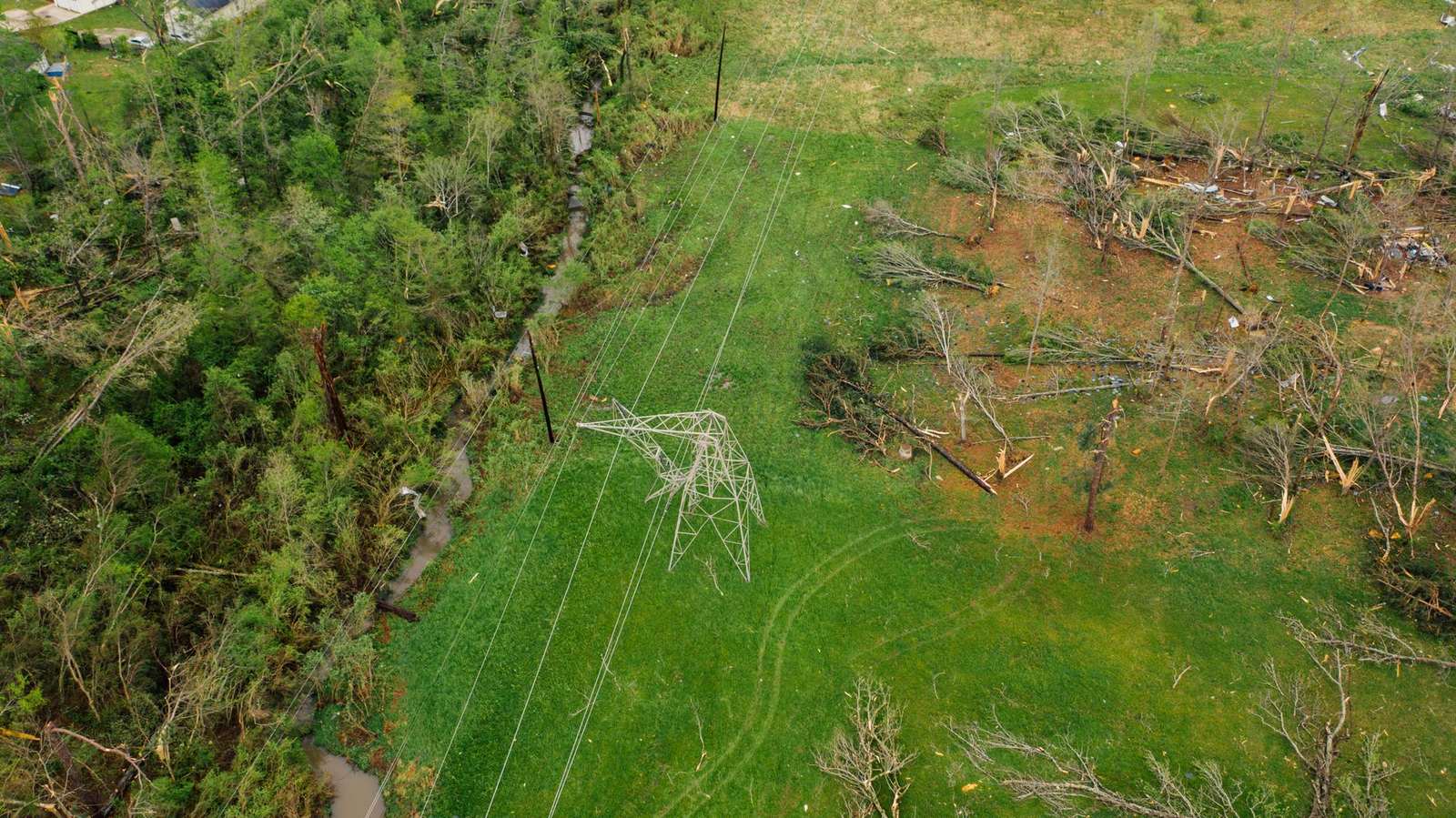
- Stay clear of fallen power lines and broken utility lines.
- Do not enter damaged buildings until you are told they are safe.
- Wear thick-soled shoes, long pants and work gloves during clean-up.
- Be aware of insurance scammers.
If you see someone injured, call emergency services, then give first aid only if you are trained. Do not move a seriously injured person unless they are in immediate danger of further injury, as the Minnesota Department of Health advises. Watch for sharp metal, glass and downed power lines.
Frequently asked questions
Is a mobile home safe in a tornado?
Show answer
No. The National Weather Service says a mobile home is not safe, and neither is a tent, shed or storage facility. If you have time, get to a sturdy building. Source: NWS.
Should I take cover under a highway overpass?
Show answer
No. Ready.gov says to avoid shelter under bridges because they can create deadly traffic hazards while offering little protection against flying debris.
Do I bring my pets to the shelter room?
Show answer
Yes, if time allows. The National Weather Service says not to forget pets when you go to your basement, safe room or interior room. Planning for them ahead of time makes that faster.
Should I call or text family after a tornado?
Show answer
Text. Phone systems may be down after a disaster, so save calls for emergencies and use text messaging or social media, as the Minnesota Department of Health advises.